

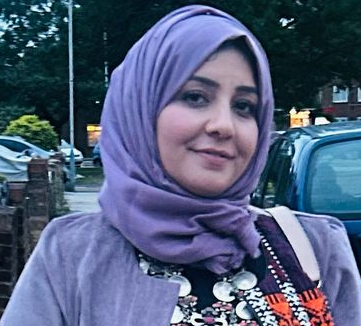
| At the heart of Grow’s work is a deep understanding of the barriers women face when trying to move forward – especially those navigating life in a new country or raising children with additional needs. In this interview, we speak with Khatera, who runs two dedicated support sessions: one for Afghan women and another for mothers and carers of children with Special Educational Needs (SEN). Drawing from her own lived experience, Khatera creates a safe, welcoming space where women feel seen, heard, and supported, offering women the tools, confidence, and community they need to take the next step. What are the sessions about? I run two support sessions at Grow. One is for Afghan women and the other is for mothers or carers of children with Special Educational Needs (SEN). The Afghan session focuses on introducing what Grow offers, accessing training, applying for jobs, understanding benefits, and improving English skills. The SEN session provides guidance on navigating diagnosis, applying for an EHCP (Educational Health and Care Plan) and DLA (Disability Living Allowance), and accessing local services and emotional support. What to Expect in a Typical Session We begin with introductions and ask each participant about their reason for attending. I then go through a prepared slide presentation, encouraging everyone to share their experiences, needs, and expectations. The sessions are interactive and tailored. I speak to each woman individually to understand how we can support them better and make their journey easier. Who joins the the sessions? The Afghan session is for Afghan women, many of whom are new to the UK and unfamiliar with the systems here. The SEN session is for mothers or carers of children with additional needs both those with a diagnosis and those going through the assessment process. What are some of the barriers faced by the women who attend? Afghan women often face barriers such as language, lack of information about where to start, confidence issues, and isolation. The women in the SEN session often feel lost, lonely, and unsure where to go for help. Many are full-time carers and are also dealing with unemployment and a lack of time for themselves. What makes these sessions helpful or different from other support available? These sessions are different because they are led by someone who has lived experience. I understand their struggles coming to a new country, facing language barriers, trying to raise children, and figuring everything out from scratch. The Afghan session is delivered in their own languages (Pashto and Farsi), which helps build trust and makes them feel safe to open up. The SEN session is friendly, supportive, and non-judgmental, everyone knows they’re not alone in their journey. How do they support your participants? The SEN session offers clear, practical advice about how to access support, apply for EHCP and DLA, and understand their rights. It gives them space to speak freely and connect with others in similar situations. The Afghan session supports women by helping them understand the job market, improve their English, build confidence, and learn about training and benefits. What kind of feedback have you had from participants? Feedback has been very positive. One Afghan woman said, “I didn’t know there were courses for people my age, I thought I was too old at 60 to learn English. Now I know I can join a class and I want to be able to understand and speak.” Another from the SEN session told me, “I didn’t know anything about EHCPs. No one at my child’s school ever mentioned it. Now I know what to do, I’ll talk to the SENCO tomorrow.” Do women return for more than one session? Yes, women do attend more than once. They feel safe, listened to, and not judged. It’s a space where they can open up, get support, and feel connected to others going through similar challenges. What do they get out of it emotionally, socially, or practically? Emotionally, they feel less alone. Socially, they connect with others and share experiences. Practically, they get clear steps, advice, and knowledge about services and next steps — whether that’s a training course, applying for DLA, or starting to look for work. What changes or progress have you seen in participants over time? Some women have already taken action after just one or two sessions, like speaking to their child’s SENCO, looking into English courses, or applying for support they didn’t know they were entitled to. The first step is awareness, and we’re already seeing that shift. Any stories you can share about personal growth or motivation? Yes – even attending the session is often the first step for many. From there, women have started looking into English classes, job options, or training for the first time. One woman who was hesitant about her age is now excited to start learning English, which is a huge step in building her confidence. Why should someone join this session if they’re unsure or nervous? Because they’ll be welcomed, heard, and supported by someone who understands. There’s no judgment – just honest conversation, useful advice, and a room full of women facing similar struggles. They are not alone. What would you say to encourage a new participant to try it? Come just once and see for yourself. These sessions are for you to give you hope, connection, and real steps forward. You’ll leave feeling lighter, more informed, and less alone. You’ll see that you’re part of a community that wants to help you thrive. |
Engaging women and supporting them into work, through programmes and research
 Belina GRoW CIC
Leave a comment